
Barcelona food markets worth your time
A market tells you more about a neighbourhood than any monument. Here are the ones we actually shop at, what to buy in each and how to visit without the crush.
20 October 2026 · 6 min read
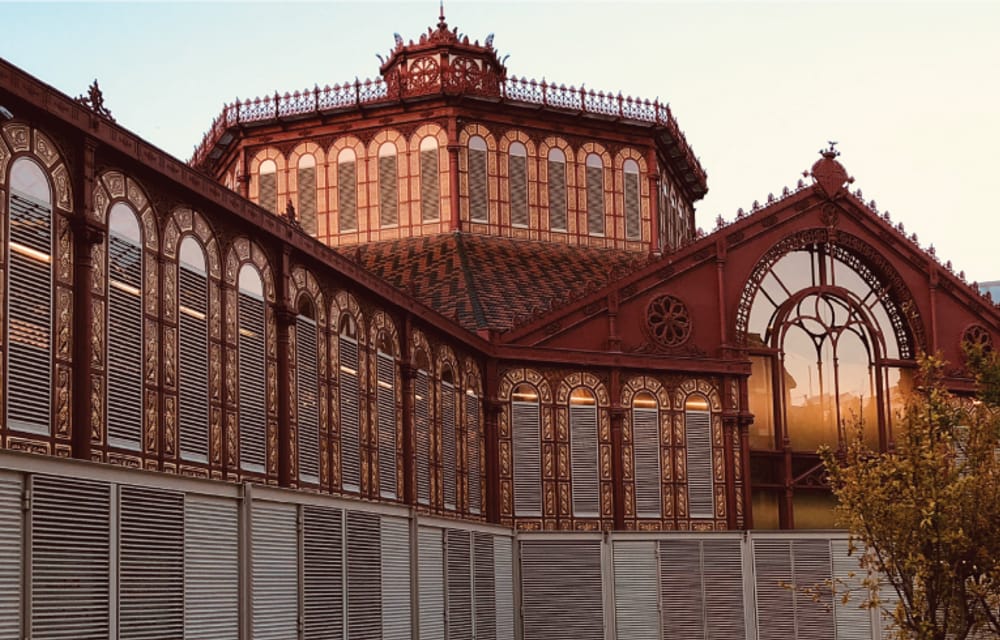
Barcelona has a network of municipal markets spread across almost every neighbourhood. For people who live here they aren't a sight. They're where you buy fish for the weekend, where the butcher knows your name and where you stop for a coffee mid-morning. For visitors, they're the easiest way to see how the city really lives.
You don't need to see them all. Two or three well-chosen markets will give you a very good idea of how Barcelona eats. These are the ones we recommend, with the good bits and the things worth knowing first.
Before you go: three practical points
- Almost everything closes on Sundays. La Boqueria, Santa Caterina and the food hall at Sant Antoni are shut that day. If your trip falls over a weekend, save the markets for Saturday morning.
- Go early. First thing, the produce is at its best, the aisles have room to breathe and stallholders have time to chat. By mid-morning it gets busy.
- Opening times vary by market and by day. Some close early on certain afternoons. Check the market's website before you go, especially if you're heading over after lunch.
La Boqueria, on La Rambla
The city's most famous market sits right on La Rambla, a few minutes' walk from the Gothic Quarter. The main entrance, with its iron arch, is one of the most photographed spots in Barcelona. Inside you'll find greengrocers, charcuterie, fishmongers and counter bars where you can eat very well.
To be honest, the front section is aimed at visitors, with juices and cups of cut fruit. Head towards the back and it changes into a proper neighbourhood market again. That's where it's worth shopping.
The city council has approved a refurbishment to strengthen its role as a local market and cap the number of ready-food stalls. The work is planned in phases without a full closure, but you may find a section under works.
If you're staying in the centre, La Boqueria is a short stroll away. Our guide to the Gothic Quarter and La Rambla explains what it's like to live a couple of streets away.
Santa Caterina, in El Born
This is our favourite for a slower visit. You'll recognise it straight away by its wavy roof of coloured ceramic tiles, designed by the studio of Enric Miralles and Benedetta Tagliabue and finished in 2005. It was Barcelona's first covered market, and in one corner you can still see remains of the convent that once stood on the site.
There are far fewer tourists here than at La Boqueria and many more locals. It's a good place for cured meats, cheese, olives and seasonal fruit. Inside there are counters serving simple, well-cooked food.
It's a short walk from the cathedral and the Palau de la Música. If the area appeals, have a look at our page on El Born.
Sant Antoni, between the Raval and the Eixample
A huge iron building that takes up an entire block. It was under renovation from 2009 and reopened in 2018. Part of the reason the works dragged on was that the digging uncovered remains of the old city wall.
During the week it's a genuine neighbourhood market with a huge number of food stalls. On Sunday mornings the food hall is closed, but the Mercat Dominical sets up around the building: second-hand books, comics, trading cards, stamps and records. It's a very Barcelona tradition and a good plan for a Sunday when most other things are resting.
Afterwards, the neighbourhood is full of bars for a vermouth. We've written about where to drink vermouth like a local if you want ideas.
Barceloneta market
Small, bright and very local. It opened in the late 19th century and was completely remodelled between 2005 and 2007, keeping its iron structure. It was the first market in Barcelona to install solar panels.
Don't come looking for a show. Come to buy fish and seafood to cook at home, or to eat at one of its bars. It's a market with a seafaring character, like the neighbourhood itself. If you'd like to stay near the sea, our guide to Barceloneta tells you what the area is like.
Mercat de la Concepció, in the Eixample
It's on Carrer d'Aragó, near Girona metro station, and is best known for the florists at the entrance, which open 24 hours a day (except in August, according to the sources we checked). Inside is a quiet food market with hardly any visitors.
It's an easy walk from the Sagrada Família and Passeig de Gràcia. If you're staying around here, this is your local market. See our page on Sagrada Família.
Els Encants, the flea market
It isn't a food market, but it deserves a slot. Els Encants is the city's big second-hand market, with a long history behind it, and today it sits next to Plaça de les Glòries under a mirrored canopy that reflects the stalls.
It opens on Mondays, Wednesdays, Fridays and Saturdays. Expect old furniture, clothes, tools, vinyl, kitchenware and plenty of bric-a-brac. Early on Monday, Wednesday and Friday mornings there are auctions of job lots, which are quite a sight if you're up early. Haggling is part of the game.
Getting the most out of it
Shop for your kitchen
The best way to enjoy a market is to buy food to cook. A bit of bread rubbed with tomato, some ham, cheese, a few anchovies and seasonal fruit already make a lovely dinner. If your flat has a kitchen, make the most of it: eating in for a night or two costs less and is often the meal people remember most.
At HiBcn each flat has its own page listing the full amenities, so you can check whether it has an equipped kitchen before you book.
Eat at the counters
Nearly every market has bars inside. You eat standing up or on a stool, quickly, with produce from the stalls next door. Sit where you see locals and order whatever is on the board.
Respect the market's rhythm
Remember that people are doing their shopping. Ask before photographing a stall, don't handle the fruit without asking and, if you're in a group, let others past. La Boqueria has limited guided groups at certain times precisely to protect its regular shoppers.
Bring a bag
Many stalls charge for bags or don't have any. A cloth bag in your rucksack will save the morning.
A possible route
If you only have one morning, start early at Santa Caterina, wander across the Gothic Quarter and finish at La Boqueria before it fills up. If it's a Sunday, swap the plan for the Dominical at Sant Antoni and a vermouth afterwards.
A tip from home: always ask what's in season. Stallholders know better than anyone and will be glad to tell you.
Your base for market mornings
HiBcn is a Barcelona family business with flats in Sagrada Família, the Gothic Quarter, El Born and Barceloneta, each a few minutes' walk from a market. If you'd like to live the city like a neighbour, start by choosing your apartment.
Keep reading
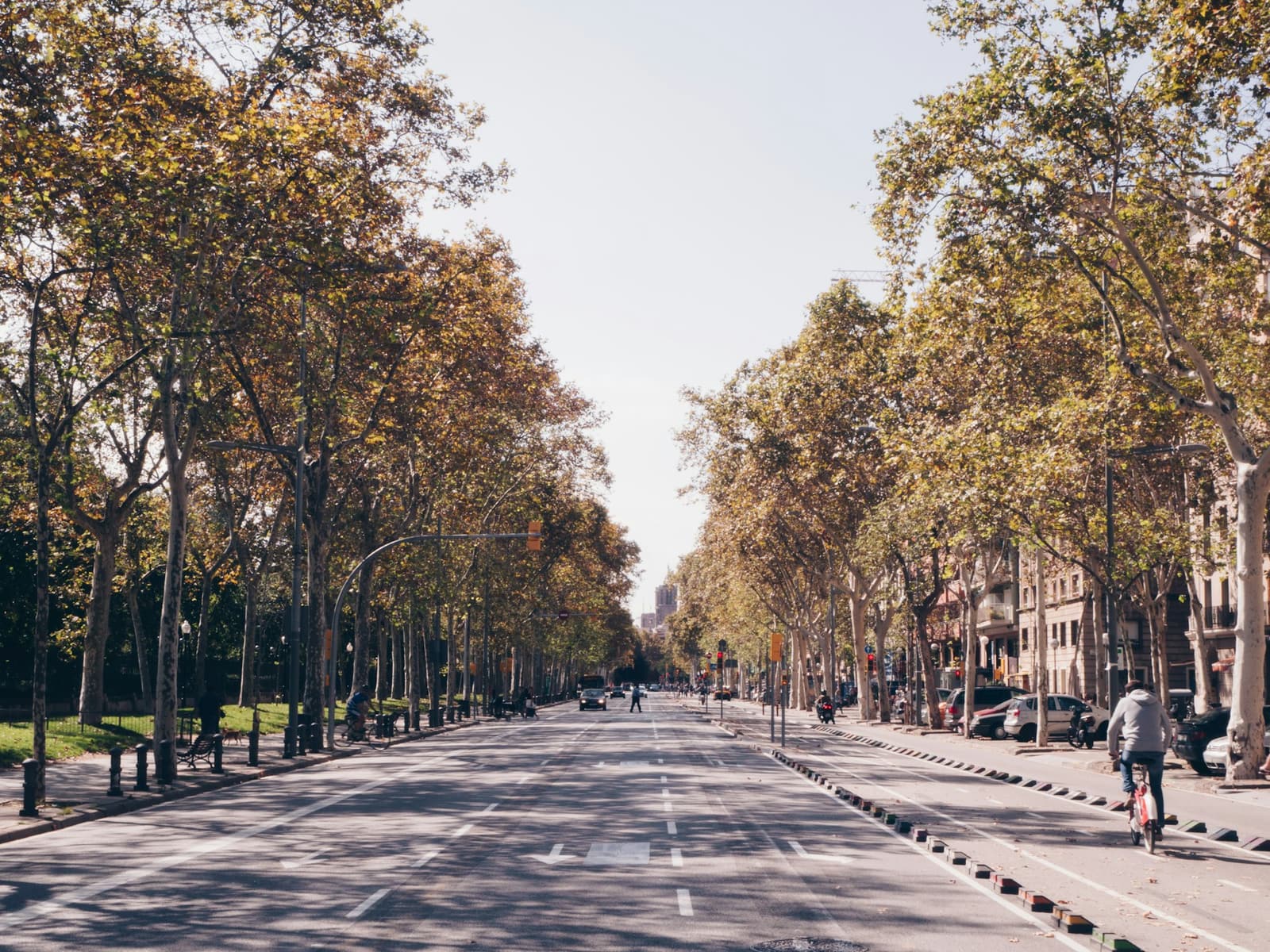 What's on
Things to do in Barcelona in November 2026
November is when Barcelona goes back to the people who live here. These are this year's festivals, street parties and exhibitions, with dates we've checked.
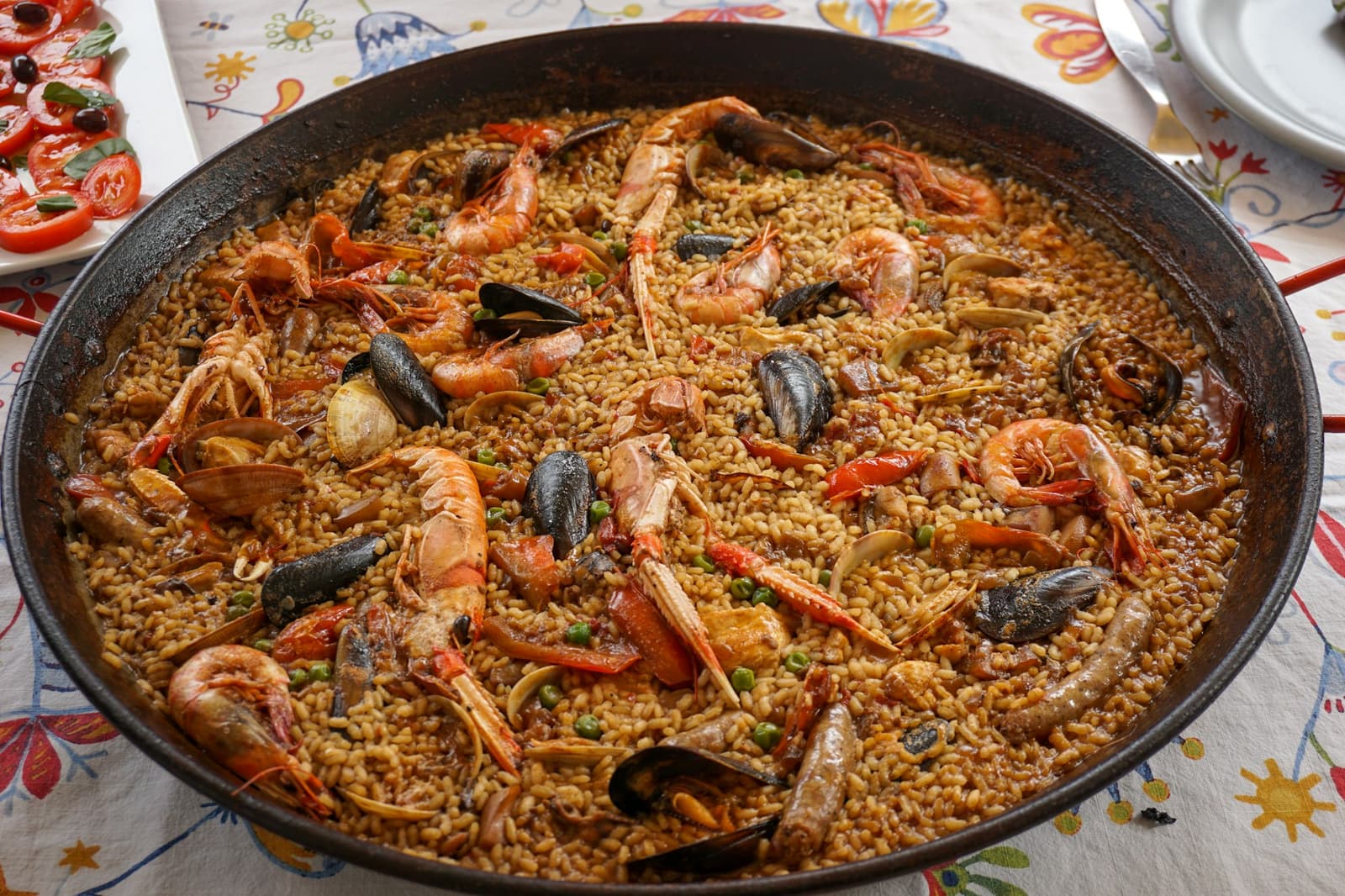 Restaurants
Where to eat in Barceloneta: seafood, bombas and vermouth like a local
The real Barceloneta starts two streets back from the beach. These are the neighbourhood bodegas, tapas counters and rice houses we actually go to.
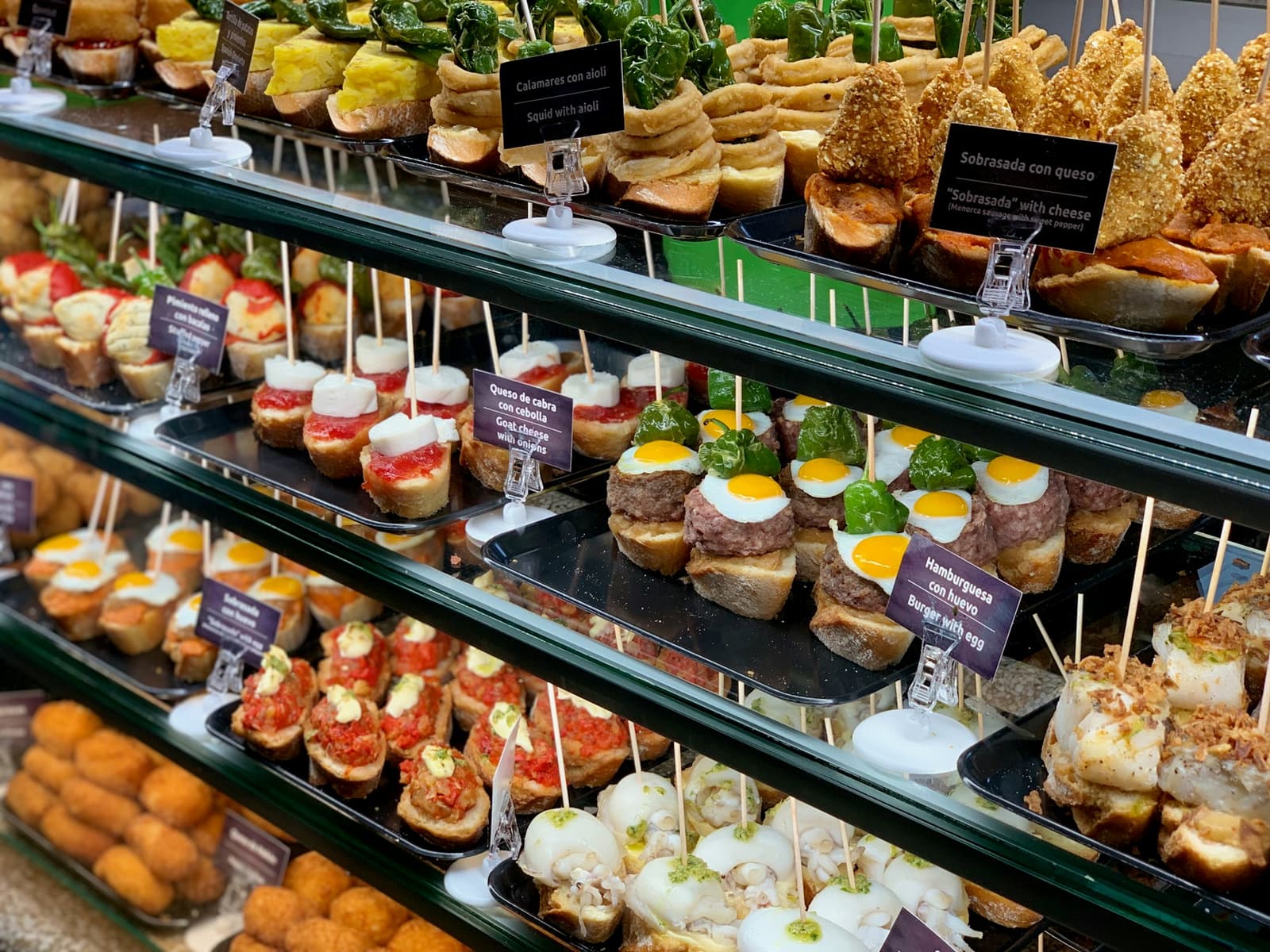 Restaurants
Where to eat in El Born: bodegas, tapas and Catalan cooking
From the house fizz on Carrer de Montcada to black rice at Santa Caterina market: the El Born places we actually go to when we eat out.